







If you’re comparing insulation options for your home or commercial property, chances are you have heard of urethane insulation or spray foam insulation. It is often marketed as the most effective insulation available, but it also comes with a higher price tag and a few important trade-offs.
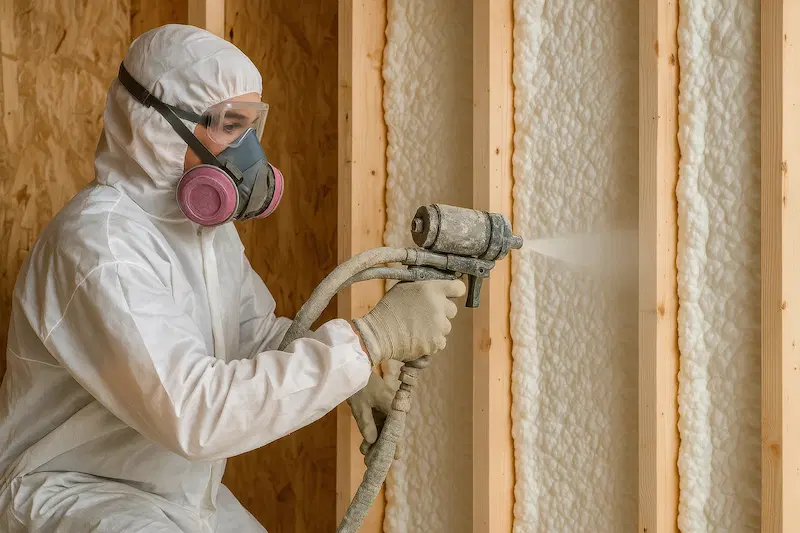
Why choose urethane (spray foam) insulation?
If you want maximum energy efficiency, air sealing, and long-term performance even if it is more expensive up front, spray foam is the ideal choice. It outperforms traditional insulation in many ways, but it isn’t always the best choice for every budget or project.
In this guide, we will explain what spray foam insulation is, how it works, its pros and cons, and most importantly, the true cost, so you can decide if it is the right investment for your home.
To get accurate quotes tailored to your project, you can fill out the short form on this page and connect with reputable insulation contractors near you at no cost.
What Is Urethane (Spray-Foam) Insulation?
Urethane insulation is a two-component chemical foam that expands rapidly when sprayed onto surfaces. Once applied, it expands to fill cracks, gaps, and cavities, then hardens into a solid, airtight barrier.
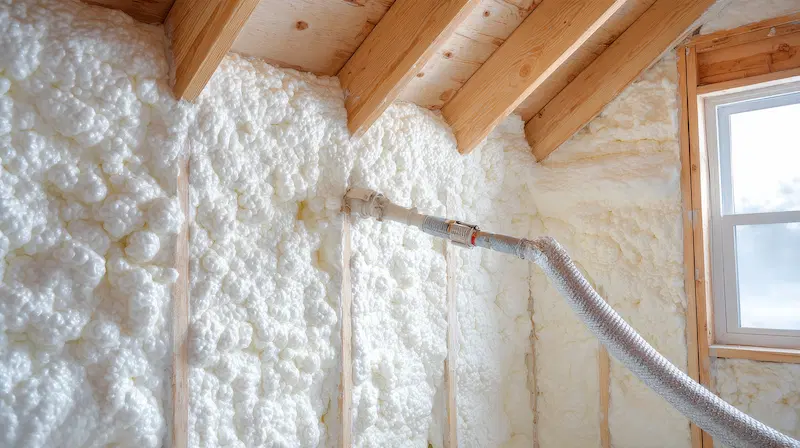
Unlike fiberglass batts or blown-in cellulose, spray foam does not simply transfer heat but also seals air leaks which are responsible for a significant portion of heating and cooling loss in most homes.
Spray foam is typically applied by professional installers using specialized equipment, making it a more technical insulation solution compared to DIY-friendly materials.
Types of Spray Foam Insulation
Not all spray foam insulation is the same. There are two main types, each with different performance characteristics and costs.
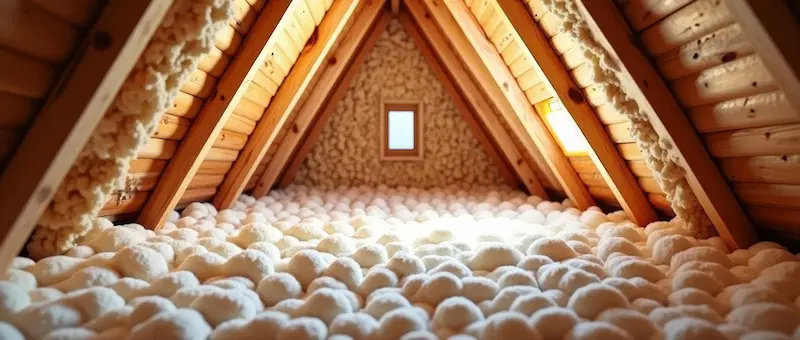
1. Open-Cell Spray Foam
Open-cell foam is lighter, softer, and more flexible. Its structure contains tiny open cells that allow air movement within the foam.
Key features:
- Lower density
- Expands significantly during application
- Good soundproofing qualities
- Lower R-value per inch than closed-cell foam
2. Closed-Cell Spray Foam
Closed-cell spray foam is denser and more rigid. Its tightly packed cells create a highly effective thermal and moisture barrier.
Key features:
- Higher R-value per inch
- Acts as a vapor barrier
- Adds structural strength
- Better resistance to water and moisture
Closed-cell foam is often used in basements, crawl spaces, exterior walls, and roofs, especially where moisture control is critical.
How Does Spray Foam Insulation Work?
Spray foam insulation works in two powerful ways– and understanding both explains why it often outperforms traditional insulation.
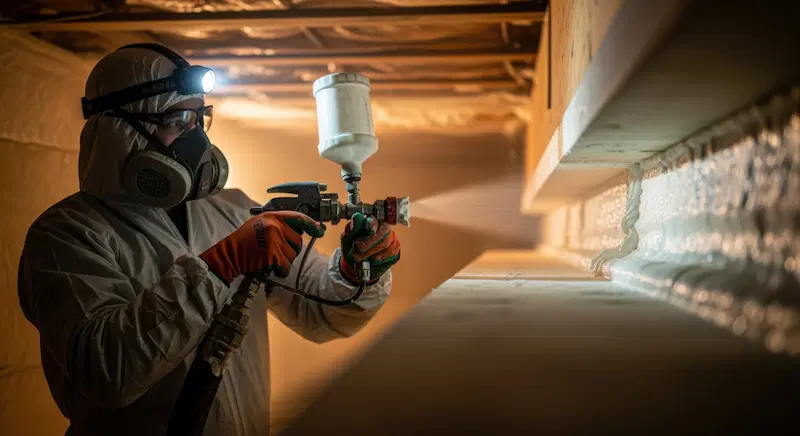
Thermal Resistance (R-Value)
At its core, insulation is about slowing heat transfer. Spray foam is highly effective because it has a high R-value per inch, especially closed-cell foam. But what does that mean in practice?
Think of your home as a thermos. Just like a thermos keeps hot coffee warm by reducing heat loss, spray foam keeps the inside of your home at a stable temperature. Its tightly packed structure resists heat flow, reducing the workload of your heater or air conditioner to maintain comfort. This is not just about efficiency but also saving money on energy bills while staying comfortable throughout the seasons.
Air Sealing
Here’s where spray foam really shines- it doesn’t just resist heat but also actively seals air leaks.
Most traditional insulation materials like fiberglass or cellulose leave tiny gaps around studs, pipes, and wires. These gaps are invisible but let air escape constantly. Even a “well-insulated” home can lose 20% to 30% of its energy through drafts.
Spray foam performs differently. When sprayed, it expands up to 100 times its liquid volume, filling every nook, crack, and cavity it touches. Imagine pouring liquid into a sponge; it spreads into every crevice. Once it hardens, those gaps are sealed permanently. No drafts, no invisible leaks, no wasted energy, making your insulation much more effective all year round.
This airtight seal also reduces moisture intrusion, which can lead to mold, mildew, and structural damage. In humid climates or in spaces like basements and crawl spaces, this feature alone can prevent costly problems down the road.
Connect with our reputable insulation partners to receive competitive offers for spray foam insulation for your home by filling out the short online form on this page.
The Benefits of Urethane (Spray-Foam) Insulation
Spray foam insulation is not just another way to fill your walls. It is a high-performance solution that can transform your home.
From reducing energy bills to improving comfort and protecting against moisture, the benefits go far beyond what traditional insulation can offer. Let’s explore why so many homeowners consider urethane insulation a smart long-term investment.
1. Superior Energy Efficiency
Spray foam consistently delivers lower heating and cooling costs compared to traditional insulation.
By sealing air leaks, it prevents:
- Cold drafts in winter
- Hot air infiltration in summer
- Conditioned air from escaping through walls and ceilings
Many homeowners report energy savings of 20% to 40% after upgrading to spray foam insulation.
2. Excellent Air Sealing
Air leakage is one of the biggest reasons of energy loss, and spray foam addresses it directly.
It seals:
- Wall cavities
- Attic penetrations
- Rim joists
- Electrical and plumbing openings
This creates a tight building envelope that traditional insulation just cannot match.
3. High R-Value per Inch
Closed-cell spray foam offers an R-value of approximately R-6 to R-7 per inch, compared to:
- Fiberglass: R-3 to R-4 per inch
- Cellulose: R-3.2 to R-3.8 per inch
This makes spray foam ideal for areas where space is limited but high insulation performance is needed.
4. Moisture and Mold Resistance
Closed-cell spray foam acts as a vapor barrier, reducing moisture intrusion and condensation.
This helps prevent:
- Mold growth
- Rotting wood
- Moisture damage in basements and crawl spaces
For humid or cold climates, this is a major advantage because spray foam helps keep moisture out and prevent condensation, which can lead to mold, mildew, and even structural damage. By maintaining a dry, consistent indoor environment, it protects your home and ensures your insulation performs at its best all year round.
5. Long Lifespan
Spray foam insulation does not settle, sag, or degrade over time like some traditional materials. When installed correctly, it can last 30–50 years or more, often outliving the building itself.
6. Improved Indoor Comfort
Homes insulated with spray foam tend to have:
- More consistent temperatures
- Fewer cold spots
- Reduced drafts
- Quieter interiors (especially with open-cell foam)
The difference in comfort is immediately noticeable.
7. Structural Strength (Closed-Cell Foam)
Closed-cell spray foam can increase wall and roof rigidity, adding extra structural support—especially useful in older homes or areas prone to high winds.
In short, urethane insulation offers a combination of energy efficiency, comfort, durability, and protection that few other materials can match. Its ability to seal air leaks, resist moisture, and maintain consistent temperatures makes it a smart investment for homeowners who want long-term savings and peace of mind. While the upfront cost is higher, the benefits you gain—lower energy bills, a healthier home, and lasting performance—often pay for themselves many times over.
The Disadvantages of Urethane Insulation
While spray foam insulation offers impressive benefits, it also has a few drawbacks.
From higher upfront costs to the need for professional installation, there are important factors to consider before choosing urethane insulation. Understanding these limitations will help you make an informed decision and ensure that urethane insulation is the right fit for your home and budget.
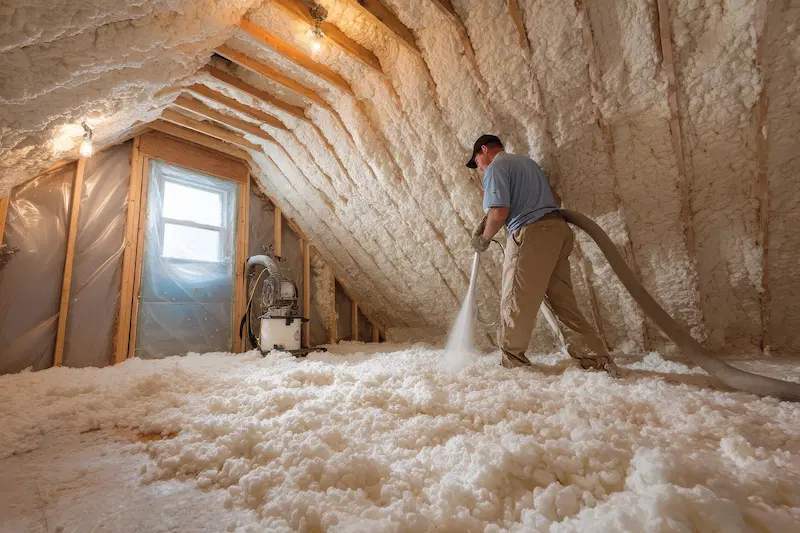
1. Higher Upfront Cost
The biggest downside of urethane insulation is its higher price tag. Spray foam insulation costs significantly more than fiberglass or cellulose, especially for whole-home installations.
While it can pay off over time through energy savings, the initial investment may not fit every budget.
2. Professional Installation Required
Spray foam is not a DIY-friendly insulation.
Improper installation can lead to:
- Poor curing
- Shrinkage
- Odors
- Reduced performance
Hiring a qualified, experienced installer is essential, and that adds to the cost.
3. Installation Disruption
During installation:
- Occupants may need to leave the home temporarily
- Ventilation is required
- Odors may linger for a short period
This can be inconvenient, especially for retrofits in lived-in homes.
4. Difficult to Remove or Modify
Once spray foam is installed, it’s permanent. Future renovations involving wiring, plumbing, or framing changes can be more difficult and costly.
5. Environmental Concerns
Some spray foams use blowing agents with high global warming potential (GWP), though newer formulations are improving.
If environmental impact is a top priority, ask contractors about low-GWP or eco-friendly spray foam options.
While urethane insulation delivers outstanding performance, it is not a one-size-fits-all solution. The higher upfront cost, professional installation requirements, and permanent nature of spray foam mean it is a choice that deserves careful consideration.
For some homes, these drawbacks may outweigh the benefits, especially when budget or future renovations are a concern. Weighing these limitations alongside the advantages is essential to deciding whether spray foam insulation is a smart investment or if another insulation option may better suit your needs.
You can fill out the short online form on this page at no cost to receive competitive quotes to compare for your home insulation project.
How Much Does Spray Foam Insulation Cost?
One of the biggest questions homeowners have about spray foam insulation is cost—and for good reason. While urethane insulation is known for its high performance, it also comes with a higher upfront price compared to traditional options like fiberglass or cellulose. Understanding what drives spray foam pricing will help you determine whether the long-term benefits justify the initial investment.
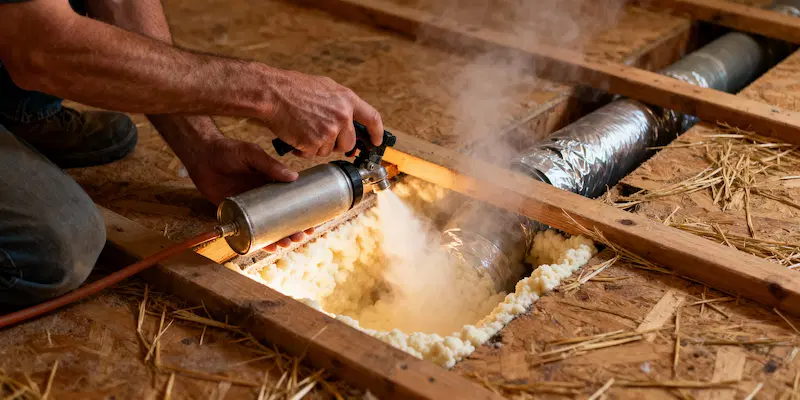
Below are the typical costs of spray foam insulation.
Open-Cell Spray Foam
- $1.50 to $3.00 per sq. ft. (at recommended thickness)
- $3.00 to $6.50 per sq. ft.
Closed-cell foam costs more due to higher material density and superior performance.
Spray Foam Cost by Application Area
Attic Insulation
- Open-cell: $2,000 – $4,500
- Closed-cell: $4,000 – $8,000+
Wall Insulation (Retrofit)
- $3,500 – $7,500+
Basement or Crawl Space
- $2,500 – $6,000
Prices increase if drywall removal or additional prep work is required.
While urethane insulation comes with a higher upfront price, its long-term value often tells a different story.
Lower energy bills, improved comfort, and decades of reliable performance can quickly offset the initial investment—especially when spray foam eliminates the need for additional air sealing or future insulation upgrades.
The key to getting the best value is comparing multiple quotes and understanding exactly what you’re paying for. With the right installer and application, spray foam insulation can be a cost-effective solution that pays off year after year.
Compare spray foam insulation quotes today using our free online form!
What Affects the Cost of Spray Foam Insulation?
Spray foam insulation pricing isn’t one-size-fits-all. Several factors influence the final cost of a project, including:
Type of spray foam used
Open-cell spray foam is generally more affordable, while closed-cell spray foam costs more due to its higher density, superior R-value, and moisture resistance.
Thickness and coverage area
Costs increase the more insulation needed to meet building code or performance goals. Closed-cell foam often needs less thickness to achieve the same R-value, but the material itself is more expensive.
Area being insulated
Attics, walls, basements, crawl spaces, and rim joists all require different preparation and application methods, which can affect labor time and pricing.
Accessibility and prep work
Hard-to-reach areas, existing insulation removal, or the need to open walls can increase installation costs.
Local labor rates and contractor experience
Prices can vary significantly depending on location and the expertise of the installer. Highly experienced contractors may charge more—but often deliver better results.
Because of these variables, two spray foam quotes for the same size home can differ by thousands of dollars.
Why Spray Foam Costs More Upfront
Spray foam insulation requires specialized equipment, trained professionals, and precise application. Unlike traditional insulation, it also performs two jobs at once—insulating and air sealing—reducing the need for additional materials or air-sealing steps.

While the initial price is higher, many homeowners offset that cost over time through:
- Lower heating and cooling bills
- Reduced maintenance from moisture-related issues
- Longer insulation lifespan with no settling or degradation
You can get FREE QUOTES for spray foam insulation today by simply filling out our short online form with no cost and obligation!