
Patrick Beaudette

How Much Does Spray Foam Insulation Cost in Canada? (2026 Pricing Guide)

If you’re researching spray foam insulation in Canada, you probably want a straight answer before anything else. So, let’s start there.

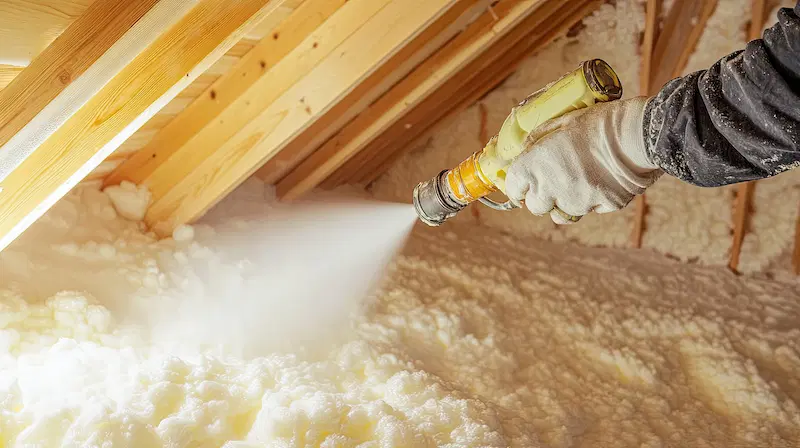
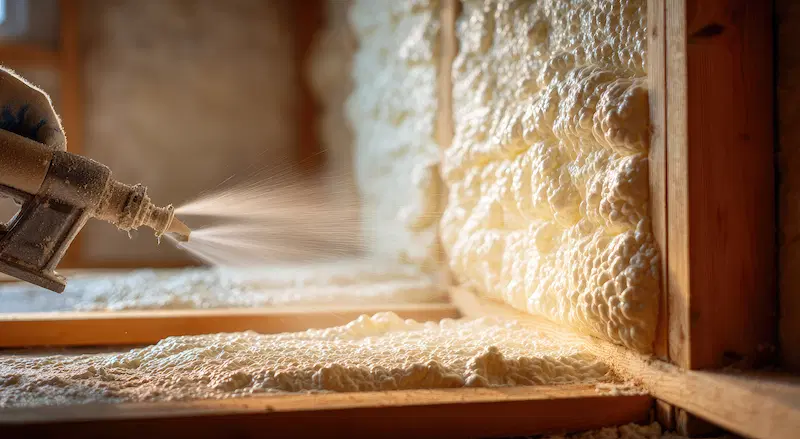
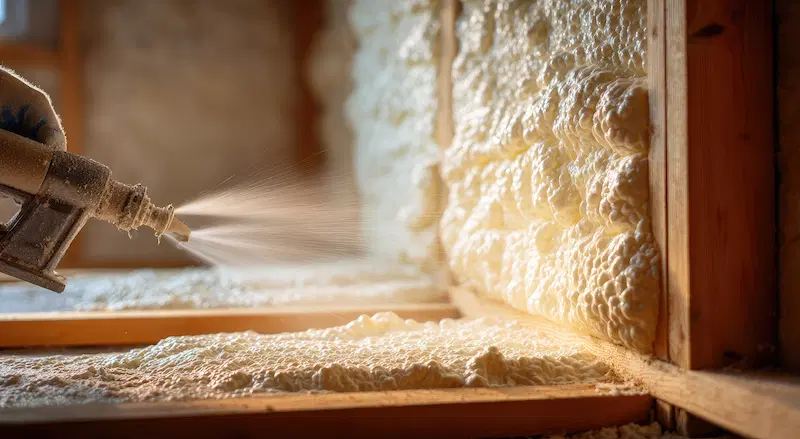
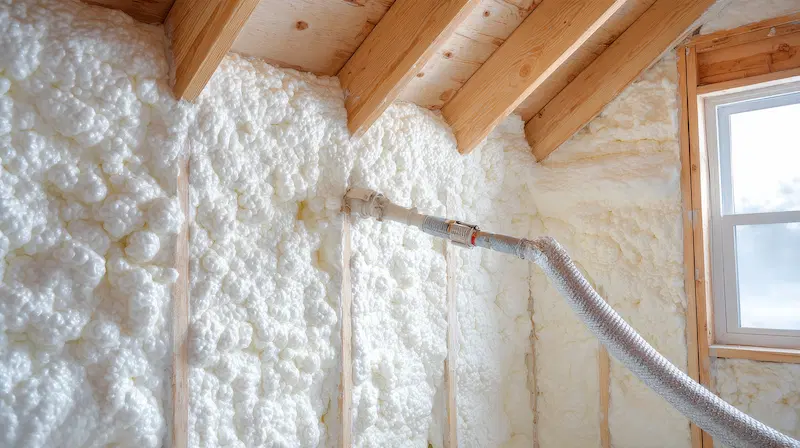
Air-tight spray foam insulation being applied on a wall cavity

In 2026, spray foam insulation in Canada typically costs:

In 2026, spray foam insulation in Canada typically costs:

Final pricing depends on thickness, location, access, type of foam, and labour rates in your province.

Now that you have the short answer, let’s break down what actually affects your quote — and how to make sure you’re comparing apples to apples when collecting estimates across Canada.

Use our online comparison form and receive no-obligation quotes from top spray foam insulation contractors near you.

Why Spray Foam Costs More (And Why Many Homeowners Still Choose It)

Spray foam insulation costs more upfront than traditional materials like fiberglass batts or blown-in cellulose. But price alone doesn’t tell the full story.

Unlike fiberglass, spray foam doesn’t just insulate — it air seals, moisture seals, and adds structural rigidity (especially closed-cell foam). In a country like Canada, where winter temperatures regularly drop below -20°C in provinces like Ontario, Alberta, and Manitoba, controlling air leakage is just as important as R-value.

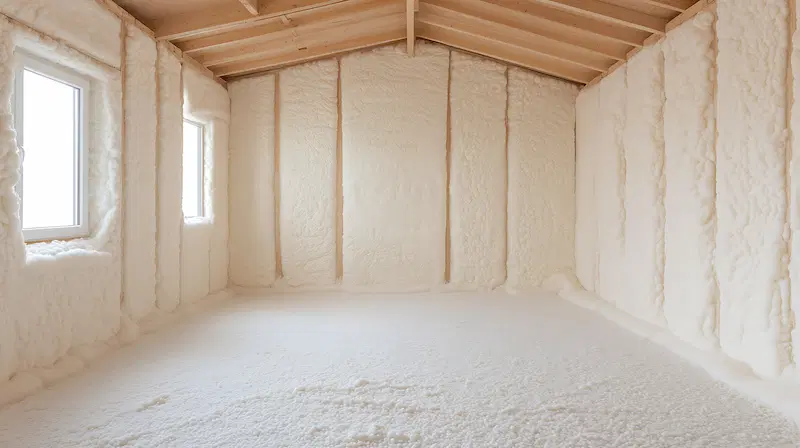
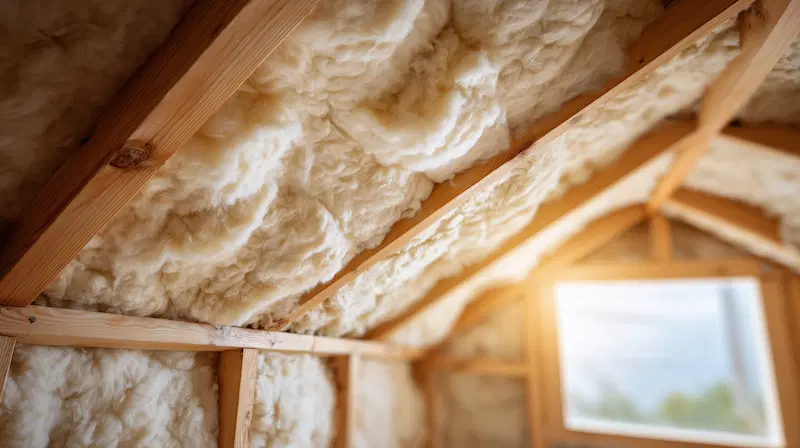
Spray foam insulation installed in wooden rafters

Most Canadian homes lose a significant portion of heat through air gaps in attics, rim joists, and wall cavities. Spray foam expands on contact, sealing cracks and gaps that traditional insulation simply can’t.

Yes, it costs more upfront. But for many homeowners, lower energy bills, improved comfort, and fewer moisture problems make it worth the investment.

When evaluating quotes, remember: you’re not just buying insulation — you’re buying performance.

Open-Cell vs. Closed-Cell Spray Foam: What’s the Price Difference?

Not all spray foam is the same — and pricing varies accordingly.

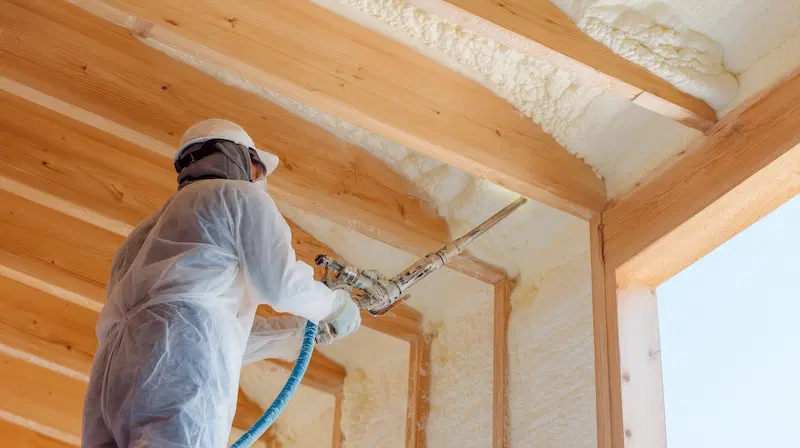
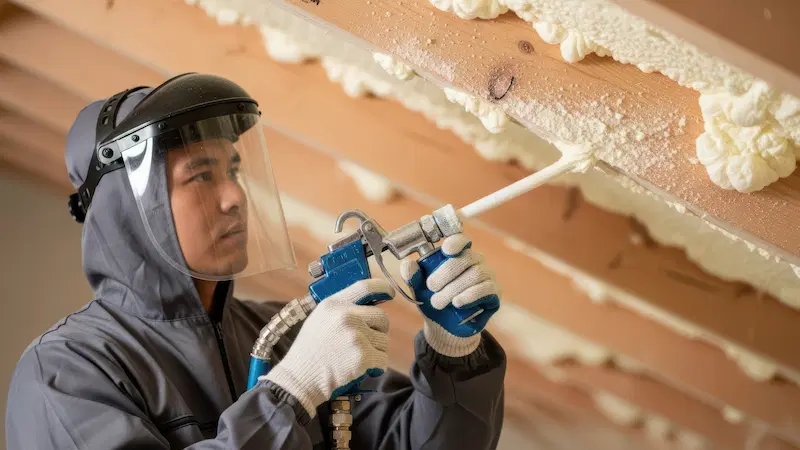
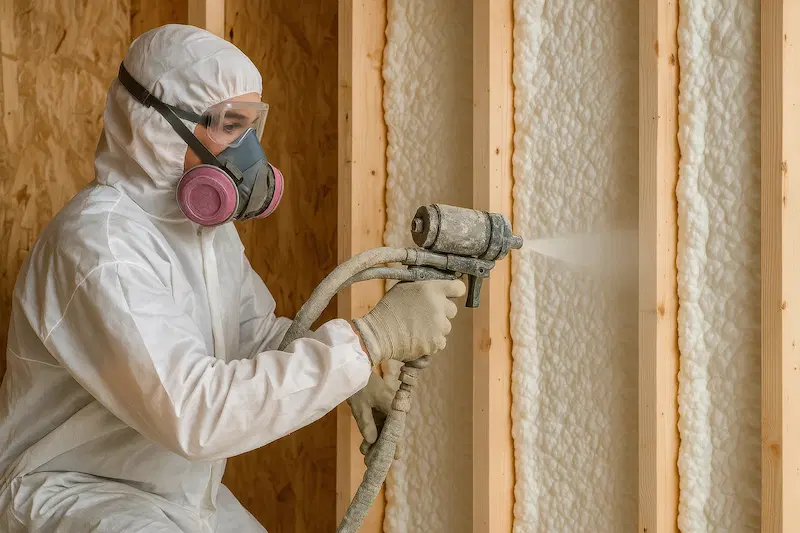
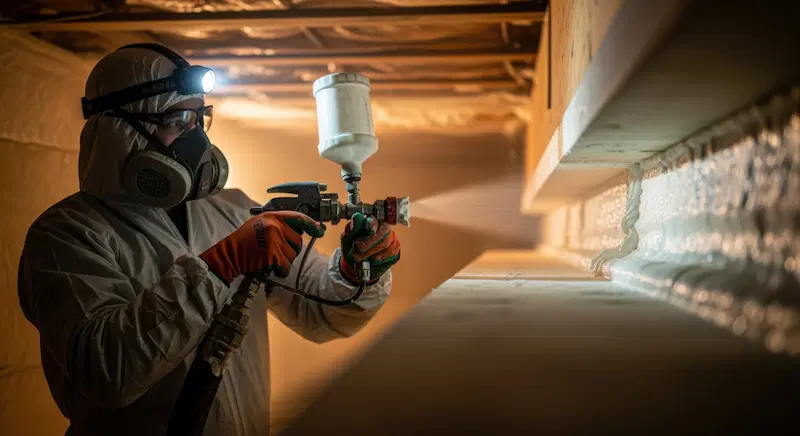
A worker in a mask using spray foam on a roof

Open-Cell Spray Foam

Cost: $2.50–$4.50 per sq. ft.

Open-cell is typically used in interior wall cavities and attic rooflines where maximum thickness is possible. It’s generally more affordable because it uses less material.

For homeowners looking for cost-effective air sealing without extreme moisture resistance needs, open-cell can be a solid option.

Closed-Cell Spray Foam

Cost: $3.50–$7.00 per sq. ft.

Closed-cell is often used in basements, crawl spaces, exterior walls, and areas prone to moisture.

Because it uses more material and provides greater thermal resistance per inch, it costs more — but it also delivers superior insulation performance.

The right choice depends on your project goals. A reputable contractor should explain why they’re recommending one over the other.

What Affects Spray Foam Insulation Costs in Canada?

No two homes are identical — and neither are insulation quotes.

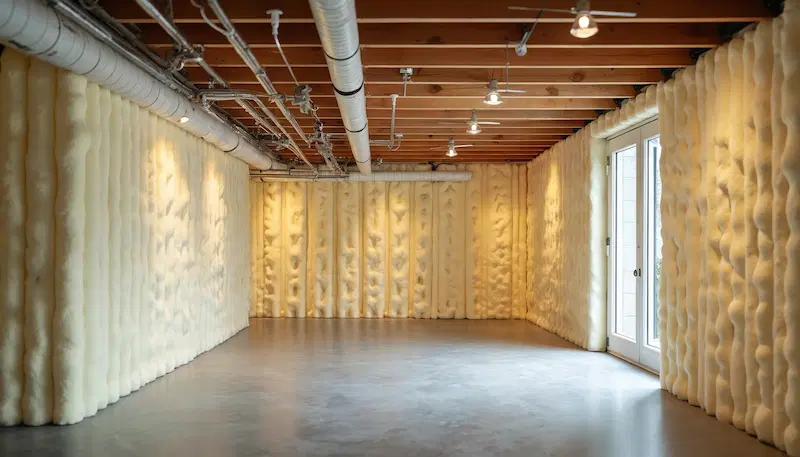
Spray foam insulation in basement construction

Here are the biggest factors influencing your final price:

1. Project Size

Larger projects often reduce the per-square-foot rate because setup and mobilization costs are spread across more area. A 300 sq. ft. crawl space will cost more per square foot than a full 2,000 sq. ft. attic.

2. Thickness Required

Spray foam is priced by board foot, meaning thickness matters.

For example:

Canadian building code requirements vary by climate zone.  In colder provinces like Saskatchewan or Quebec, higher R-values may be required, increasing the total cost.

3. Accessibility

Tight crawl spaces, steep rooflines, or finished basements increase labour time and complexity.

If old insulation needs removal, that’s an additional cost.

4. Labour Rates by Province

Labour costs vary across Canada, with prices higher in major cities like Toronto and Vancouver, and 

slightly lower in smaller cities and rural areas. Transportation of materials to remote areas can also increase pricing.

5. New Construction vs. Retrofit

Spray foam is easier (and cheaper) to install during new construction before drywall goes up. Retrofitting finished homes often requires more preparation and protection.

Every one of these factors plays into your quote — which is why comparing multiple estimates is so important.

Average Spray Foam Costs by Project Type (2026)

Let’s look at what Canadians are actually paying for common projects:

These are national averages. Your local quotes may fall above or below these ranges.

The key takeaway? Spray foam is a significant investment — but one that directly impacts comfort and energy efficiency for decades.

Is Spray Foam Worth the Cost in Canada’s Climate?

Canada’s climate makes insulation performance critical.  Long winters, humid summers, and extreme temperature swings create:

Spray foam addresses all of these because it reduces air leakage — the primary source of energy loss in Canadian homes.

While fiberglass may have a lower upfront cost, it does not stop air movement. In many homes, air leakage accounts for up to 30–40% of heat loss.

Spray foam helps:

If you plan to stay in your home for a long time, the energy savings often offset the initial cost over time.

The real question isn’t just “How much does it cost?” — it’s “What will poor insulation cost me over the next 10–20 years?”

Spray Foam vs. Fiberglass: Cost Comparison

Many homeowners compare spray foam to fiberglass because of price.

Here’s a simplified breakdown:

Spray Foam Insulation for Basements: Cost, Pros & Moisture Risks

Basements are notoriously difficult to insulate. They are naturally cooler, closer to groundwater, and more prone to humidity and air leaks than other parts of the house. Many homeowners consider spray foam insulation as an effective solution to improve comfort and energy efficiency.

A worker applying spray foam insulation

Spray foam has become a popular insulation option due to its ability to seal air gaps while providing strong thermal resistance. However, it is also one of the most expensive insulation options, and if used for basement insulation, it must be installed properly to prevent moisture problems.

Basements with poor insulation face unique risks compared to above-ground spaces. Cold concrete walls often create condensation when warm indoor air touches cooler surfaces, which can lead to mould growth, musty odours, and gradual structural deterioration. Poorly insulated basements can also allow outside air and moisture to enter through cracks and joints. Spray foam insulation helps reduce these risks by sealing air leaks, insulating foundation walls, and limiting moisture movement at the same time.

This guide explains the cost of spray foam insulation for basements, its main advantages, and the potential moisture risks homeowners should understand before choosing it.

If you want to know the cost of basement insulation using spray foam, fill out the short online form on this page to get FREE QUOTES from our partner insulation contractors.

What Is Spray Foam Insulation for Basements?

Spray foam insulation is a chemical-based insulation material that expands when applied, filling cracks, seams, and wall cavities. It is commonly used in basement walls because it insulates and air-seals surfaces in a single application.

In simple terms, spray foam expands into small spaces that traditional insulation materials cannot easily reach. Once cured, it forms a continuous insulation layer that blocks heat transfer and prevents outside air from entering the home.

There are two main types used in basements:

Open-cell spray foam

Closed-cell spray foam

Most basement insulation projects use closed-cell spray foam because it resists water and adds structural rigidity to foundation walls.

One of the biggest reasons homeowners choose spray foam is that it performs multiple functions simultaneously. It provides insulation, seals air leaks, and helps manage moisture — three issues that commonly affect basement environments.

Because basements are more prone to moisture and temperature swings than other areas of the home, using an insulation material that addresses multiple concerns at once can make a huge difference in comfort and energy efficiency.

How Much Does Spray Foam Basement Insulation Cost?

Spray foam insulation is one of the most expensive insulation materials. Compared to fibreglass or rigid foam board options, using spray foam for your basement will cost much more.

For basement walls, spray foam typically costs $4 to $10 per square foot installed, depending on the foam type and the project’s complexity. 

Typical basement insulation costs include:

Because most basements require closed-cell foam, the total cost for a typical project can range from $2,500 to $8,000 or more, depending on the basement’s size. 

Several factors influence the final price, including:

1. Basement Size

The basement’s total square footage is one of the biggest factors that impact cost. Larger spaces require more material and labour, which increases the overall project cost.

2. Wall Condition

If basement walls require repairs, sealing, or cleaning before installation, the preparation work may increase the price.

3. Insulation Thickness

Closed-cell spray foam provides about R-6 to R-7 insulation per inch, but building codes may require multiple inches of foam to meet recommended insulation levels.

4. Accessibility

Basements with limited access, tight corners, exposed pipes, or electrical wiring can increase labour time and the project’s complexity. These two considerations affect the total cost of your project.

5. Professional Installation

Spray foam requires specialized equipment and trained installers. Most homeowners rely on professional contractors rather than attempting a DIY installation.

Although spray foam has a higher upfront cost than many other insulation materials, homeowners often view it as a long-term investment because of its durability and energy-saving potential.

Understanding the advantages of spray foam insulation helps explain why many homeowners still choose it despite the higher price.

Pros of Spray Foam Basement Insulation

Spray foam insulation offers several performance advantages that make it particularly effective in basement environments.

Because basements are prone to air leaks, cold walls, and moisture issues, spray foam can solve multiple problems at once.

Excellent Air Sealing

One of the biggest advantages of spray foam insulation is its ability to seal air leaks.

Unlike fibreglass insulation, spray foam expands to fill small cracks, seams, and gaps in foundation walls. This helps prevent outside air from entering the basement.

Air sealing improves indoor comfort and reduces drafts, making the entire home feel more comfortable with stable temperatures.

High Insulation Value

Closed-cell spray foam insulation provides one of the highest insulation values of any commonly used insulation material.

With an insulation rating of approximately R-6 to R-7 per inch, it delivers strong thermal performance even in limited wall space.

Better insulation can lead to:

In Canada, poorly insulated basement walls account for much of the heat loss in homes.

Moisture Resistance

Closed-cell spray foam also acts as a vapour barrier to limit moisture intrusion through foundation walls.

This can reduce condensation problems that occur when warm indoor air meets cold basement surfaces.

While spray foam does not eliminate moisture problems, it can significantly improve moisture control when combined with proper drainage and ventilation.

Added Structural Strength

Once cured, closed-cell spray foam becomes rigid and dense. This can add minor structural support to foundation walls.

Although it does not replace structural reinforcements, the foam can increase wall durability and stability over time.

Long Lifespan

Spray foam insulation lasts for decades without sagging or shifting.

Unlike fibreglass insulation, which may settle or lose effectiveness over time, spray foam adheres directly to surfaces and remains in place.

Because of these advantages, spray foam is often considered a premium insulation option for basements.

However, homeowners should also be aware of potential moisture risks associated with spray foam installation.

Spray Foam in Basements- What are the moisture risks?

Although spray foam can improve moisture control, it can also create problems if basement conditions are not properly addressed before the application. 

Understanding these risks is important before planning to use spray foam insulation for your basement.

Trapped Moisture in Foundation Walls

Closed-cell spray foam forms an airtight and vapour-resistant layer. If moisture enters a foundation wall from the outside — through soil pressure or small cracks — the foam may trap that moisture within the wall structure.

Over time, trapped moisture can lead to:

These problems may remain hidden because the foam covers the wall surface.

Existing Water Problems

Spray foam insulation should never be installed on basement walls that have active water leaks or persistent dampness.

If the basement already has drainage problems, foundation cracks, or groundwater intrusion, those issues should be resolved first.

If not, the foam will cover the symptoms of moisture problems without solving the underlying cause.

Reduced Drying Potential

Traditional insulation materials allow some moisture to dry out naturally.

Closed-cell spray foam blocks vapour movement, thus greatly reducing this drying ability. This means that once moisture enters the wall structure, it may take much longer to dry.

For this reason, many building experts recommend addressing exterior drainage and waterproofing issues before installing spray foam insulation.

Installation Errors

Improper installation can also increase the risk of moisture problems.

Common installation mistakes include:

Hiring experienced installers is essential to avoid these issues.

While moisture concerns are important to understand, they can usually be prevented through proper preparation and professional installation.

Spray Foam vs. Other Basement Insulation Options

Spray foam is not the only option for basement insulation available to you. Many homeowners compare it with fibreglass insulation and rigid foam board systems.

Each material has its advantages and limitations, and you can compare multiple quotes, speak to our partner insulation contractors, to know your best options.

Fibreglass batts for basement insulation

Spray Foam vs. Fiberglass

Fibreglass insulation is less expensive than spray foam, but it is usually not suitable for basements. It easily absorbs moisture and allows air movement through the material. In damp basement environments, this can lead to mould growth and inadequate insulation performance.

Spray foam provides better air sealing and moisture resistance, making it a stronger option for foundation walls.

Spray Foam vs Rigid Foam Board

Rigid foam board insulation is another common choice for basement walls.  Foam board panels are attached to the foundation wall and then covered with framing and drywall.

Advantages of foam board include:

However, seams between foam boards must be carefully sealed to prevent air leakage.  Spray foam eliminates this step since it naturally fills cracks and gaps during installation.

Hybrid Insulation Systems

Some contractors recommend combining multiple insulation materials.

For example:

This hybrid approach can reduce costs while still improving energy efficiency in your basement. 

The best insulation choice often depends on climate conditions, your budget, and the basement’s layout.

Is Spray Foam Insulation worth the higher cost?

Whether spray foam insulation is worth the higher cost depends on the homeowner’s priorities and the condition of the basement.

In many cases, spray foam can be an excellent long-term investment.

Spray foam installation into a wooden frame during construction

It may be especially worthwhile when:

Homeowners planning to finish their basements often go with spray foam because it creates a more comfortable, stable, and efficient indoor environment.

However, it may not always be necessary.

Spray foam may not be the best option if:

Ultimately, the right decision depends on balancing performance benefits with installation costs.

Get the Lowest Spray Foam Insulation Quotes

Because spray foam installation costs vary significantly, getting multiple contractor quotes is an important step before starting a project.

Different contractors may recommend different foam thicknesses, preparation steps, or insulation strategies.

When comparing quotes, homeowners should ask about:

Obtaining several quotes allows homeowners to compare pricing, contractor experience, and installation methods. It also helps ensure that the insulation system is properly designed for the specific basement.

Most experts recommend getting at least three quotes before making a final decision.

Get your FREE QUOTES today using our short online form to compare reputable insulation contractors in your area.

Who are the Best Spray Foam Insulation Contractors in Edmonton?

If you are looking for top-rated spray foam insulation contractors in Edmonton, you’re in the right place. 

Spray foam insulation can effectively increase your home’s energy efficiency, lower heating and cooling expenses, and maintain a comfortable indoor temperature year-round. The good news is that Edmonton has a growing number of experienced contractors who specialize in residential and commercial spray foam services.

Spray foam insulation in an attic

Some of the best spray foam insulation contractors in Edmonton include:

These contractors have received positive reviews consistently for their professionalism, attention to detail, and ability to deliver results that save homeowners on energy costs.

Read on to know more tips about insulation solutions in Edmonton and compare FREE QUOTES using our short online form to save on your insulation upgrade.

Why Spray Foam Insulation is the Best Choice in Edmonton

Not all insulation contractors are the same. Although traditional fibreglass or cellulose insulation can do the job, spray foam insulation stands out for several reasons:

Professional spray foam residential application

In Edmonton, where winters are long and harsh, choosing the right insulation is essential. Spray foam not only protects your home from the cold but also ensures your HVAC system doesn’t have to work overtime, reducing wear and tear, and operating costs.

Types of Spray Foam Insulation

Spray foam insulation comes in two main types, and understanding the difference will help you choose the right contractor:

1. Open-Cell Spray Foam

2. Closed-Cell Spray Foam

Most Edmonton homes benefit from a combination of both types, depending on the location and insulation needs. A professional contractor will assess your home and recommend the optimal solution that meets your needs and budget.

Typical Spray Foam Insulation Costs in Edmonton

When it comes to spray foam insulation in Edmonton, understanding the costs upfront can help you budget wisely and get the best value. Prices vary depending on foam type, project size, and contractor expertise, but knowing the typical prices will help you plan with a clear starting point for comparison and quotes.

Polyurethane foam application with spray gun

1. Cost per square foot (installed)

These ranges include materials and professional installation — the most reliable way to ensure proper performance. 

2. Prices by region and contractor reports
Some Edmonton contractors report typical rates closer to:

Keep in mind that thicker applications (to achieve the required R-values per local building codes) will cost more because you need more materials.

Examples of Total Project Costs

While cost per square foot gives you an idea, many homeowners want to know what a typical project might run overall:

Partial insulation (attic or basement zone): $2,000 – $6,000+, depending on the size of the area and foam type. 

Full home insulation: $6,000 – $15,000+ or more for closed-cell insulation (varies widely by home size).

Basement with spray foam insulation for higher energy efficiency

These figures are average estimates based but the actual quotes vary by contractor, site conditions, accessibility, and whether existing insulation needs to be removed.

To get clear quotes based on your specific details, fill out the short online form on this page and get connected to reputable spray foam contractors in your area.

How to Choose the Right Spray Foam Contractor in Edmonton

Finding the right contractor is just as important as choosing the type of insulation. Here are key factors to consider:

1. Experience and Expertise

Look for contractors with years of experience in residential or commercial spray foam installation. Experienced teams understand the nuances of Edmonton’s climate and building codes.

2. Licensing and Certification

Ensure the contractor is licensed and insured. Certifications from industry organizations, like the Canadian Urethane Foam Contractors Association (CUFCA), are a strong indicator of professionalism.

3. Quality of Materials

Top contractors use high-quality spray foam with reliable R-values and low VOC (volatile organic compounds) emissions to ensure safety and efficiency.

4. References and Reviews

Check online reviews and ask for references. Contractors with consistent positive feedback from past clients are more likely to deliver excellent results.

5. Transparent Pricing

A reputable contractor will provide a detailed estimate, including labor, materials, and any additional services like air sealing or moisture barriers.

6. Warranty and Support

Look for contractors offering warranties on their work. A solid warranty demonstrates confidence in their services and protects your investment.

Compare Spray Foam Insulation Quotes in Edmonton & Save Money

Spray foam insulation is a smart investment but only when you get the right contractor at the right price.

Costs, quality, and experience can vary widely across Edmonton, which is why comparing quotes matters. Instead of guessing or settling for the first estimate, take a few minutes to see what trusted local professionals are offering.

Requesting free spray foam insulation quotes anywhere in Edmonton lets you compare pricing, timelines, and services side by side—no pressure, no obligation. 

Whether you’re insulating an attic, basement, garage, or an entire home, getting multiple quotes helps you save money and choose with confidence.

Please fill out the short online form on this page today to get the lowest possible prices on spray foam insulation from trusted contractors.

Top Spray Foam Insulation Contractors in Calgary

Spray foam insulation is more than just a seasonal upgrade for your home or business. It is an investment in energy efficiency, comfort, and long-term savings. 

If you live in Calgary, where harsh winters can drive up heating costs and extreme temperature swings challenge building structures, choosing the right insulation is critical. Spray foam not only seals gaps and prevents air leakage, but it also enhances structural integrity and helps maintain consistent indoor temperatures. But with so many contractors offering insulation services, how do you know which ones truly stand out?

Professional spray foam application

Not all spray foam contractors are the same in terms of pricing and quality. In a city like Calgary, where insulation performance directly affects comfort, energy bills, and long-term building durability, choosing the right contractor matters just as much as choosing the right material. The top spray foam contractors combine fair, transparent pricing with certified installers, high-quality products, and proven experience in Calgary’s demanding climate. This guide highlights top-rated local contractors known for reliable workmanship, strong customer reviews, and insulation solutions that actually deliver lasting results.

In this article, we have done the research for you. Below, you’ll find a curated list of the top spray foam insulation contractors in Calgary, along with key factors to consider when hiring, the benefits of spray foam, and tips for getting the best value for your project.

If you want to compare the best prices for spray foam insulation for your home, complete our short online form and receive free quotes from the best insulation contractors in Calgary.

Why Choose Spray Foam Insulation?

Before we dive into the contractors themselves, it is worth understanding why spray foam is the insulation of choice for many homeowners and businesses in Calgary:

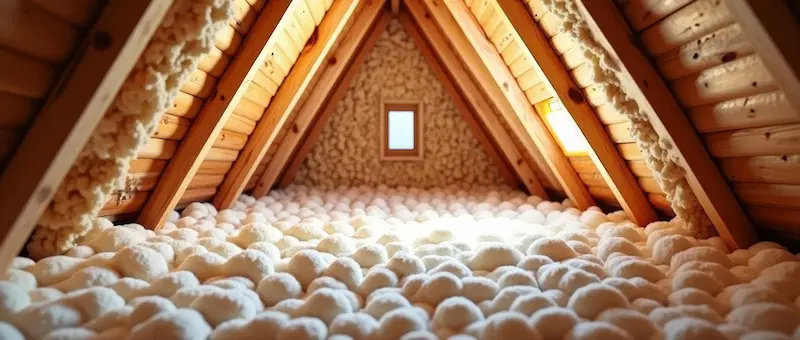
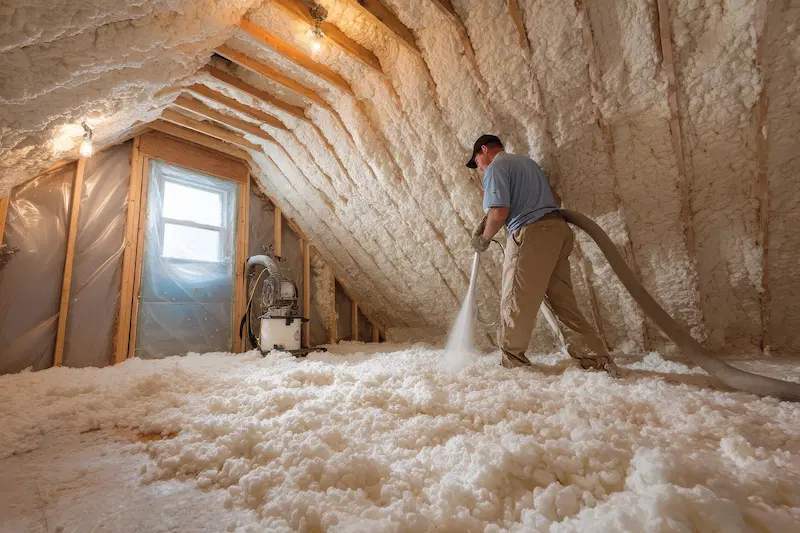
Wooden attic with dense spray foam insulation

Now that you know the benefits of spray foam insulation, you see why hiring a skilled contractor is crucial. Improper installation can compromise insulation performance and even damage your property.

Top Spray Foam Insulation Contractors in Calgary

1. EcoFoam Insulation Calgary

EcoFoam has a stellar reputation for residential and commercial projects throughout Calgary. They specialize in closed-cell spray foam, which provides both insulation and structural reinforcement.

Why they stand out:

They accept residential attic insulation, basement and crawl space sealing, commercial insulation projects

Customers praise their professionalism, clean work sites, and energy savings post-installation.

2. Western Spray Foam Insulation

Western Spray Foam is a trusted name in Alberta with more than 20 years in the industry. They offer both open-cell and closed-cell spray foam solutions tailored to your specific needs.

Why they stand out:

They accept insulation projects for attics, basements, walls, garages, and commercial warehouses.

Many clients note significant energy savings and well-executed installations without mess or disruption.

3. Calgary Spray Foam Solutions

Known for customer-focused service, Calgary Spray Foam Solutions emphasizes high-quality application and durable materials.

Why they stand out:

They accept home insulation, soundproofing, air sealing, and industrial applications.

Reviews from customers highlight their team’s professionalism, punctuality, and noticeable improvements in heating and cooling efficiency.

4. Precision Spray Foam Calgary

Precision Spray Foam specializes in providing energy-efficient insulation solutions for both new builds and retrofits.

Why They Stand Out:

Their services cover residential and commercial insulation, attic and crawl space sealing, and energy audits.

Customers appreciate their detailed approach, clean installation, and excellent communication throughout the project.

5. Alberta Spray Foam Experts

This company serves Calgary and its surrounding areas. Alberta Spray Foam Experts are known for competitive pricing and their technical expertise.

Why They Stand Out:

They offer insulation services for homes, offices, warehouses, garages, and energy-efficient retrofits.

Customer reviews mention their reliability, professionalism, and the long-term benefits gained from their insulation services.

Spray foam application in the attic

If you choose the right spray foam contractor in Calgary, you can protect your property, reduce energy costs, and ensure the job is done right the first time. 

Calgary’s extreme weather leaves little room for shortcuts, which is why working with experienced, certified, and well-reviewed contractors makes all the difference. The top spray foam contractors in Calgary stand out because they deliver consistent quality, transparent pricing, and insulation solutions built to perform for decades. 

Invest in comfort, efficiency, and peace of mind year-round with our insulation partners. Please complete the short online form on this page to connect with the top spray foam contractors near you.

What Homeowners and Business Owners in Calgary Say after Spray Foam Insulation

Many Calgary homeowners only realize how much heat they were losing after their spray foam insulation is installed.

One of the most common experiences shared is how quickly indoor temperatures stabilize; rooms that were once drafty or difficult to heat suddenly feel consistent and comfortable, even during winter cold snaps.

Another frequently mentioned improvement is the noticeable drop in energy bills. Homeowners report that furnaces cycle less often and heating systems work more efficiently, particularly in older homes where air leakage was a problem. For business owners, especially those operating warehouses or workshops, spray foam often translates to reduced operational costs and a more comfortable working environment for staff year-round.

Noise reduction is another unexpected benefit many people talk about. Homes near busy roads or commercial areas often feel quieter after installation, thanks to spray foam’s dense, air-sealing properties. Clients also mention improved indoor air quality, as sealed gaps help keep dust, allergens, and moisture out of the building envelope.

Perhaps the biggest takeaway from customer experiences is peace of mind. When spray foam is installed by a reputable Calgary contractor, homeowners feel confident knowing their insulation won’t shift, sag, or lose effectiveness over time. That long-term reliability, combined with immediate comfort and savings, is what turns spray foam insulation from a home upgrade into a lasting investment.

How much is spray foam insulation in Calgary?

Here’s an overview of spray foam insulation costs in Calgary so you can budget your project more accurately:

Typical Price Ranges

Open-cell spray foam: About CAD $1.50 – $3.00 per square foot. This foam is less dense, offers good air sealing and sound reduction, and tends to be cheaper than closed-cell. 

Closed-cell spray foam: About CAD $2.00 – $3.50 per square foot. This type has a higher R-value and better moisture resistance, which is often worth the extra investment in Calgary’s climate. 

These ranges are for professional installation and can vary based on foam thickness, accessibility of the area, and other factors like prep work or vapor barriers.

Spray foam contractor working on ceiling beams

Overall Project Costs

Small areas: Starting around CAD $1,000 + for targeted jobs like crawl spaces or rim joists. 

Whole-home insulation: Typical total costs can range roughly CAD $3,000 to $7,500 or more, depending on the size of your home and the amount of coverage needed. 

Larger commercial or complex projects: Costs may increase to $10,000–$20,000 for extensive applications. 

What are the factors that influence cost?

Your actual price will depend on:

Overall, spray foam insulation is generally more expensive upfront than traditional insulation materials, but many Calgary homeowners find the energy savings and comfort improvements justify the investment over time.

Spray Foam Insulation (Winter & Energy Rebates Perspective)

For Calgary homeowners, spray foam insulation is often less about luxury and more about survival through long, cold winters.

With temperatures frequently dropping well below freezing, even small air leaks can lead to uncomfortable rooms, ice damming, and noticeably higher heating bills. That’s why many homeowners see spray foam as a long-term energy solution rather than just an upfront expense.

Sustainable and efficient home heating with good insulation

In Calgary, residential spray foam insulation typically costs more than traditional insulation, but it also delivers higher performance during winter months. Closed-cell spray foam, which is commonly used in basements, rim joists, and exterior walls, offers a higher R-value per inch and creates a continuous air seal, especially valuable during extended cold snaps when furnaces run almost non-stop.

Many homeowners offset part of this cost through energy efficiency rebate programs available in Alberta. When spray foam insulation is installed as part of a broader energy upgrade, such as air sealing, attic insulation improvements, or home energy audits, it may help qualify for rebates aimed at reducing heat loss and overall energy consumption. 

Beyond rebates, the real savings are felt during winter utility bills. Homes insulated with spray foam tend to maintain more stable indoor temperatures, reduce cold drafts, and place less strain on heating systems. Over several Calgary winters, these savings can offset the initial installation cost while also increasing comfort, resale value, and peace of mind.

Energy efficiency rebates and incentive programs may be available to eligible Calgary homeowners depending on project scope, home assessment results, and current government or utility offerings. Rebate availability, eligibility requirements, and program terms can change at any time, so homeowners are encouraged to consult local energy efficiency programs or certified energy advisors for the most up-to-date information before starting an insulation project.

Connect with Top Spray Foam Insulation Professionals near you

Upgrading your home with spray foam insulation is a decision that pays off through warmer winters, lower energy bills, and long-term comfort in Calgary’s demanding climate. 

The key is working with experienced, reputable spray foam insulation professionals who understand local building codes, winter performance requirements, and proper installation techniques.

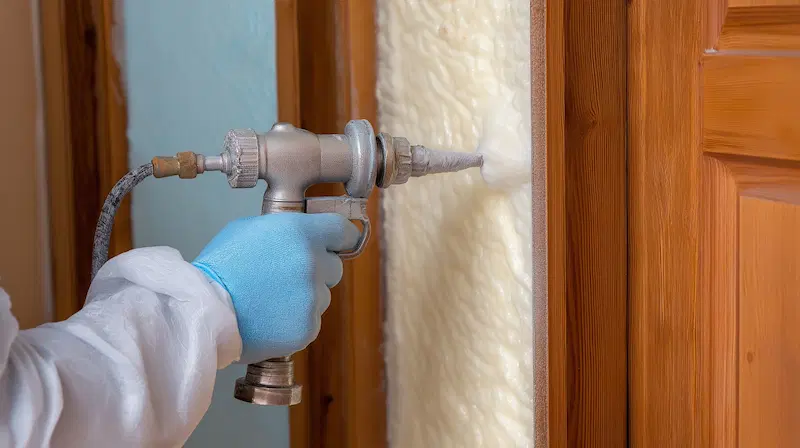
Insulation contractor spraying foam on door frame

Connect with top-rated spray foam contractors near you to compare options, receive accurate assessments, and choose solutions tailored to your home’s specific needs. 

For attic, garage, basement, or whole-home insulation, choose any of our home insulation partners to ensure your investment delivers real, lasting results. 

Fill out our free online form today and receive competitive and no-obligation quotes from our spray foam insulation partners.

Why Choose Urethane (Spray-Foam) Insulation? Pros, cons and Prices

If you’re comparing insulation options for your home or commercial property, chances are you have heard of urethane insulation or spray foam insulation. It is often marketed as the most effective insulation available, but it also comes with a higher price tag and a few important trade-offs.

Professional spray foam insulation in a residential property

Why choose urethane (spray foam) insulation?

If you want maximum energy efficiency, air sealing, and long-term performance even if it is more expensive up front, spray foam is the ideal choice. It outperforms traditional insulation in many ways, but it isn’t always the best choice for every budget or project.

In this guide, we will explain what spray foam insulation is, how it works, its pros and cons, and most importantly, the true cost, so you can decide if it is the right investment for your home.

To get accurate quotes tailored to your project, you can fill out the short form on this page and connect with reputable insulation contractors near you at no cost.

What Is Urethane (Spray-Foam) Insulation?

Urethane insulation is a two-component chemical foam that expands rapidly when sprayed onto surfaces. Once applied, it expands to fill cracks, gaps, and cavities, then hardens into a solid, airtight barrier.

Urethane insulation applied to fill wall cavities

Unlike fiberglass batts or blown-in cellulose, spray foam does not simply transfer heat but also seals air leaks which are responsible for a significant portion of heating and cooling loss in most homes.

Spray foam is typically applied by professional installers using specialized equipment, making it a more technical insulation solution compared to DIY-friendly materials.

Types of Spray Foam Insulation

Not all spray foam insulation is the same. There are two main types, each with different performance characteristics and costs.

1. Open-Cell Spray Foam

Open-cell foam is lighter, softer, and more flexible. Its structure contains tiny open cells that allow air movement within the foam.

Key features:

2. Closed-Cell Spray Foam

Closed-cell spray foam is denser and more rigid. Its tightly packed cells create a highly effective thermal and moisture barrier.

Key features:

Closed-cell foam is often used in basements, crawl spaces, exterior walls, and roofs, especially where moisture control is critical.

How Does Spray Foam Insulation Work?

Spray foam insulation works in two powerful ways– and understanding both explains why it often outperforms traditional insulation.

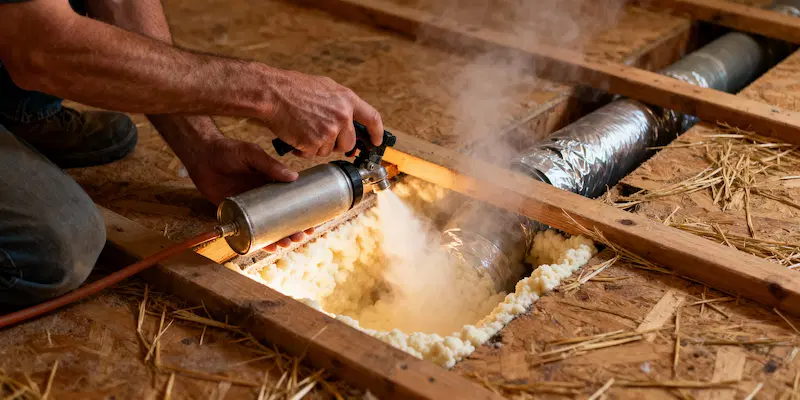
Worker with spray foam hose to block airflow in crawl space

Thermal Resistance (R-Value)

At its core, insulation is about slowing heat transfer. Spray foam is highly effective because it has a high R-value per inch, especially closed-cell foam. But what does that mean in practice?

Think of your home as a thermos. Just like a thermos keeps hot coffee warm by reducing heat loss, spray foam keeps the inside of your home at a stable temperature. Its tightly packed structure resists heat flow, reducing the workload of your heater or air conditioner to maintain comfort. This is not just about efficiency but also saving money on energy bills while staying comfortable throughout the seasons. 

Air Sealing

Here’s where spray foam really shines- it doesn’t just resist heat but also actively seals air leaks.

Most traditional insulation materials like fiberglass or cellulose leave tiny gaps around studs, pipes, and wires. These gaps are invisible but let air escape constantly. Even a “well-insulated” home can lose 20% to 30% of its energy through drafts.

Spray foam performs differently. When sprayed, it expands up to 100 times its liquid volume, filling every nook, crack, and cavity it touches. Imagine pouring liquid into a sponge; it spreads into every crevice. Once it hardens, those gaps are sealed permanently. No drafts, no invisible leaks, no wasted energy, making your insulation much more effective all year round.

This airtight seal also reduces moisture intrusion, which can lead to mold, mildew, and structural damage. In humid climates or in spaces like basements and crawl spaces, this feature alone can prevent costly problems down the road.

Connect with our reputable insulation partners to receive competitive offers for spray foam insulation for your home by filling out the short online form on this page.

The Benefits of Urethane (Spray-Foam) Insulation

Spray foam insulation is not just another way to fill your walls. It is a high-performance solution that can transform your home. 

From reducing energy bills to improving comfort and protecting against moisture, the benefits go far beyond what traditional insulation can offer. Let’s explore why so many homeowners consider urethane insulation a smart long-term investment.

1. Superior Energy Efficiency

Spray foam consistently delivers lower heating and cooling costs compared to traditional insulation.

By sealing air leaks, it prevents:

Many homeowners report energy savings of 20% to 40% after upgrading to spray foam insulation.

2. Excellent Air Sealing

Air leakage is one of the biggest reasons of energy loss, and spray foam addresses it directly.

It seals:

This creates a tight building envelope that traditional insulation just cannot match.

3. High R-Value per Inch

Closed-cell spray foam offers an R-value of approximately R-6 to R-7 per inch, compared to:

This makes spray foam ideal for areas where space is limited but high insulation performance is needed.

4. Moisture and Mold Resistance

Closed-cell spray foam acts as a vapor barrier, reducing moisture intrusion and condensation.

This helps prevent:

For humid or cold climates, this is a major advantage because spray foam helps keep moisture out and prevent condensation, which can lead to mold, mildew, and even structural damage. By maintaining a dry, consistent indoor environment, it protects your home and ensures your insulation performs at its best all year round.

5. Long Lifespan

Spray foam insulation does not settle, sag, or degrade over time like some traditional materials. When installed correctly, it can last 30–50 years or more, often outliving the building itself.

6. Improved Indoor Comfort

Homes insulated with spray foam tend to have:

The difference in comfort is immediately noticeable.

7. Structural Strength (Closed-Cell Foam)

Closed-cell spray foam can increase wall and roof rigidity, adding extra structural support—especially useful in older homes or areas prone to high winds.

In short, urethane insulation offers a combination of energy efficiency, comfort, durability, and protection that few other materials can match. Its ability to seal air leaks, resist moisture, and maintain consistent temperatures makes it a smart investment for homeowners who want long-term savings and peace of mind. While the upfront cost is higher, the benefits you gain—lower energy bills, a healthier home, and lasting performance—often pay for themselves many times over.

The Disadvantages of Urethane Insulation

While spray foam insulation offers impressive benefits, it also has a few drawbacks.

From higher upfront costs to the need for professional installation, there are important factors to consider before choosing urethane insulation. Understanding these limitations will help you make an informed decision and ensure that urethane insulation is the right fit for your home and budget.

1. Higher Upfront Cost

The biggest downside of urethane insulation is its higher price tag. Spray foam insulation costs significantly more than fiberglass or cellulose, especially for whole-home installations.

While it can pay off over time through energy savings, the initial investment may not fit every budget.

2. Professional Installation Required

Spray foam is not a DIY-friendly insulation.

Improper installation can lead to:

Hiring a qualified, experienced installer is essential, and that adds to the cost.

3. Installation Disruption

During installation:

This can be inconvenient, especially for retrofits in lived-in homes.

4. Difficult to Remove or Modify

Once spray foam is installed, it’s permanent.  Future renovations involving wiring, plumbing, or framing changes can be more difficult and costly.

5. Environmental Concerns

Some spray foams use blowing agents with high global warming potential (GWP), though newer formulations are improving.

If environmental impact is a top priority, ask contractors about low-GWP or eco-friendly spray foam options.

While urethane insulation delivers outstanding performance, it is not a one-size-fits-all solution. The higher upfront cost, professional installation requirements, and permanent nature of spray foam mean it is a choice that deserves careful consideration. 

For some homes, these drawbacks may outweigh the benefits, especially when budget or future renovations are a concern. Weighing these limitations alongside the advantages is essential to deciding whether spray foam insulation is a smart investment or if another insulation option may better suit your needs.

You can fill out the short online form on this page at no cost to receive competitive quotes to compare for your home insulation project.

How Much Does Spray Foam Insulation Cost?

One of the biggest questions homeowners have about spray foam insulation is cost—and for good reason. While urethane insulation is known for its high performance, it also comes with a higher upfront price compared to traditional options like fiberglass or cellulose. Understanding what drives spray foam pricing will help you determine whether the long-term benefits justify the initial investment.

Spray foam insulation applied between floor joists for higher energy efficiency

Below are the typical costs of spray foam insulation.

Open-Cell Spray Foam

Closed-Cell Spray Foam

Closed-cell foam costs more due to higher material density and superior performance.

Spray Foam Cost by Application Area

Attic Insulation

Wall Insulation (Retrofit)

Basement or Crawl Space

Prices increase if drywall removal or additional prep work is required.

While urethane insulation comes with a higher upfront price, its long-term value often tells a different story. 

Lower energy bills, improved comfort, and decades of reliable performance can quickly offset the initial investment—especially when spray foam eliminates the need for additional air sealing or future insulation upgrades. 

The key to getting the best value is comparing multiple quotes and understanding exactly what you’re paying for. With the right installer and application, spray foam insulation can be a cost-effective solution that pays off year after year.

Compare spray foam insulation quotes today using our free online form!

What Affects the Cost of Spray Foam Insulation?

Spray foam insulation pricing isn’t one-size-fits-all. Several factors influence the final cost of a project, including:

Type of spray foam used
Open-cell spray foam is generally more affordable, while closed-cell spray foam costs more due to its higher density, superior R-value, and moisture resistance.

Thickness and coverage area
Costs increase the more insulation needed to meet building code or performance goals. Closed-cell foam often needs less thickness to achieve the same R-value, but the material itself is more expensive.

Area being insulated
Attics, walls, basements, crawl spaces, and rim joists all require different preparation and application methods, which can affect labor time and pricing.

Accessibility and prep work
Hard-to-reach areas, existing insulation removal, or the need to open walls can increase installation costs.

Local labor rates and contractor experience
Prices can vary significantly depending on location and the expertise of the installer. Highly experienced contractors may charge more—but often deliver better results.

Because of these variables, two spray foam quotes for the same size home can differ by thousands of dollars.

Why Spray Foam Costs More Upfront

Spray foam insulation requires specialized equipment, trained professionals, and precise application. Unlike traditional insulation, it also performs two jobs at once—insulating and air sealing—reducing the need for additional materials or air-sealing steps.

Insulation contractor preparing materials for installation

While the initial price is higher, many homeowners offset that cost over time through:

You can get FREE QUOTES for spray foam insulation today by simply filling out our short online form with no cost and obligation!